
Gangewadiya: Embracing the Wilderness & Waters of Wilpattu
Discover the ancient allure of Wilpattu's water-rich wilderness, where the rhythms of nature dictate an unrivalled safari experience.
Governor's Camp Wilpattu
Master Naturalist Team
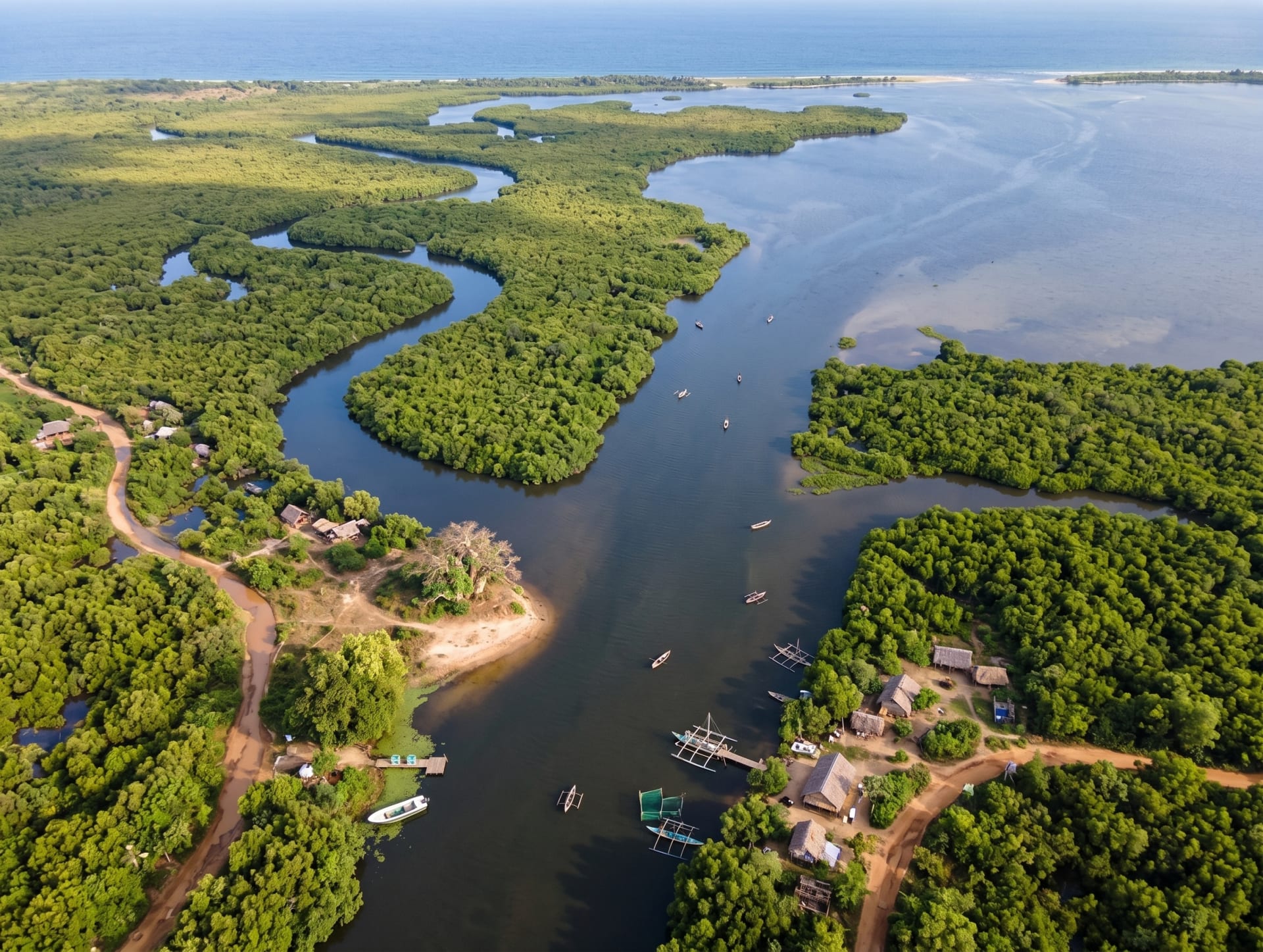
The very essence of 'Gangewadiya' in Sinhala evokes a profound connection to life by the water – a concept deeply embedded in the soul of Wilpattu National Park. Here, the wilderness breathes with the rhythm of its unique natural sand-rimmed rain basins, known as 'villus', and the life-giving flow of the Raalmadu Oya. This is not merely a landscape; it is a vibrant tapestry where ancient traditions of coexistence between man and nature find their contemporary expression in an unparalleled luxury safari. To venture into Wilpattu, particularly through the undisturbed western Eluwankulama gate, is to step into a realm where the wild reigns supreme, and every ripple on the water's surface tells a story of survival, beauty, and untamed elegance. Our journey begins where the forest meets the freshwater, where the air hums with the calls of unseen birds and the scent of damp earth mingles with the subtle perfume of jungle blossoms. Wilpattu, Sri Lanka’s largest national park, is a sanctuary unlike any other, its vast expanses punctuated by over sixty villus that act as vital watering holes, drawing an astonishing array of flora and fauna. It is here, amidst this aqueous heartland, that the island’s most elusive creatures thrive, offering a safari experience defined by intimacy, authenticity, and profound naturalist depth.
The Lifeblood of Wilpattu: Villus and the Raalmadu Oya
The distinctive feature of Wilpattu is its intricate network of villus, shallow depressions that collect rainwater, forming serene, often circular lakes. These natural oases are the park's lifeblood, supporting a rich biodiversity that flourishes around their edges. The Raalmadu Oya, a river that meanders through portions of this verdant landscape, further enriches the ecosystem, providing perennial water sources critical for wildlife during drier seasons. The interplay of these water bodies creates a mosaic of habitats, from dense scrub jungle to open grasslands, each fostering unique ecological communities.
Around these villus, one can observe a captivating theatre of nature. Flocks of painted storks (Mycteria leucocephala) wade gracefully, their long legs stirring the shallows, whilst majestic grey pelicans (Pelecanus philippensis) glide effortlessly across the surface. Mugger crocodiles (Crocodylus palustris) often bask on the sandy banks, their prehistoric forms a testament to the timelessness of this wilderness. The vibrant hues of water lilies (Nymphaea nouchali) dot the water, providing both beauty and sustenance within this delicate balance.
The villus of Wilpattu are not merely waterholes; they are dynamic microcosms, constantly shifting with the seasons, dictating the movements and survival strategies of the park's inhabitants.
Encounters with Wilpattu's Apex Predators
Wilpattu holds a revered status amongst wildlife enthusiasts as one of the premier locations to encounter the magnificent Ceylon leopard (Panthera pardus kotiya). These elusive big cats, with their distinctive rosettes, are often observed patrolling the periphery of the villus or resting in the shade of ancient trees. Their stealth and power are legendary, and a sighting, particularly during the cooler hours of dawn or dusk, is a truly unforgettable privilege.
Equally compelling is the opportunity to witness the enigmatic Sri Lankan sloth bear (Melursus ursinus inornatus). These shaggy, nocturnal creatures are surprisingly agile, often seen foraging for insects and fruits, their long snouts perfectly adapted for digging. Wilpattu's dense jungle and abundant food sources provide an ideal habitat for these fascinating mammals, and observing them in their natural environment offers a rare glimpse into their unique behaviours. Beyond these iconic predators, the park teems with spotted deer (Axis axis ceylonensis), sambar (Rusa unicolor unicolor), wild buffalo (Bubalus arnee), and myriad bird species, making every safari a journey of discovery.
The Governor's Camp: A Secluded Jungle Abode
To truly immerse oneself in the 'Gangewadiya' spirit of Wilpattu, The Governor's Camp Wilpattu offers an unrivalled blend of luxury and authentic wilderness immersion. Strategically located near the undisturbed western Eluwankulama gate, our luxury tented camp provides exclusive access to the park, allowing for deeper, more secluded safari experiences away from the more frequented paths. Each tent is a sanctuary of comfort, thoughtfully designed to harmonise with the surrounding jungle, offering both privacy and panoramic views of the wild.
Our Master Naturalist Team, with their profound knowledge of the local ecosystem, guides guests on bespoke safari drives, unveiling the park's hidden treasures and intricate ecological narratives. After a thrilling day of wildlife tracking, guests can retreat to the camp's secluded jungle swimming pool, a serene oasis where one can cool off whilst listening to the symphony of the forest. Dining under the stars, with flavours crafted from fresh, local produce, completes an experience that is both indulgent and deeply connected to the natural world, fulfilling the promise of a true luxury wilderness escape.
Field Notes & Key Takeaways
- Wilpattu's unique villus and the Raalmadu Oya are critical for its diverse wildlife, making it a prime location for observing Ceylon leopards and sloth bears.
- Accessing Wilpattu through the western Eluwankulama gate offers a more exclusive and less crowded safari experience, enhancing wildlife sightings.
- The Governor's Camp Wilpattu provides luxury tented accommodation, expert naturalist guidance, and a secluded jungle swimming pool, ensuring a sophisticated and immersive wilderness stay.
- The dry season (May to September) often offers the best opportunities for wildlife viewing as animals congregate around diminishing water sources.
Frequently Asked Questions
What distinguishes Wilpattu National Park from other safari destinations in Sri Lanka?
Wilpattu is unique due to its extensive network of natural villus (sand-rimmed rain basins) and its vast size, which supports a high density of Ceylon leopards and sloth bears. It offers a more secluded and less crowded safari experience, particularly when entering via the western Eluwankulama gate.
What is the best time of year to visit Wilpattu for wildlife viewing?
The dry season, typically from May to September, is generally considered optimal. During this period, water levels in the villus recede, concentrating wildlife around fewer water sources, which increases the chances of sightings. However, the park offers excellent viewing opportunities year-round.
How does Governor's Camp Wilpattu enhance the safari experience?
Governor's Camp Wilpattu offers luxury tented accommodation, positioned for exclusive access near the Eluwankulama gate. Our Master Naturalist Team provides expertly guided safaris, offering deep insights into the ecosystem. The camp's secluded jungle swimming pool and gourmet dining further elevate the luxury wilderness immersion.
Are there ethical considerations for wildlife photography and viewing in Wilpattu?
Absolutely. We strictly adhere to ethical wildlife viewing practices, maintaining respectful distances, avoiding sudden movements or loud noises, and never disturbing animals or their habitats. Our naturalists ensure that all interactions are non-intrusive and prioritise the welfare of the wildlife.
Tailored Wilderness Sanctuary
Experience Governor's Camp Wilpattu
Immerse yourself in authentic luxury, private game drives with master naturalists, and handcrafted hospitality.
Continue Reading
View All Journal Stories
The Leopard Diaries: A Guide to Spotting Big Cats in Wilpattu
Wilpattu National Park is one of the premier sanctuaries on earth to encounter the elusive Sri Lankan leopard. Here are our master naturalists' field-tested insights on tracking, prime daylight windows, and serene post-safari poolside relaxation.
6 min read
A Culinary Journey: The Spices and Flavours of Sri Lanka
Sri Lankan cuisine is a vibrant, aromatic tapestry woven from cinnamon, roasted spices, creamy coconut milk, and sea-fresh bounty. Discover how Governor's Collection curates an authentic epicurean journey in the wild.
4 min read