
The Leopard Diaries: A Guide to Spotting Big Cats in Wilpattu
Insider safari tactics, villu ecology, and why Eluwankulama is Sri Lanka's best-kept leopard secret.
Governor's Camp Wilpattu
Master Naturalist Team

Spanning over 1,300 square kilometres of ancient scrub forest, copper-earthed tracks, and shimmering natural sand-rimmed lakes (*villus*), Wilpattu National Park represents one of Asia's most enigmatic wilderness frontiers. Unlike high-traffic southern reserves, Wilpattu retains an unhurried, untamed mystery. Here, encounters with the apex predator—the Ceylon leopard (*Panthera pardus kotiya*)—feel profoundly wild, intimate, and earned.
The Geography of Patience: Understanding the Villus
The defining topographic jewel of Wilpattu is its system of approximately 106 natural rainwater basins known locally as villus. These sand-rimmed depressions draw herbivores from miles around during the dry season, creating natural congregation points for spotted deer (*Axis axis ceylonensis*), sambar, and wild boar.
Leopards, supreme opportunists, stalk the tree lines framing these waterbodies. Early mornings often reveal solitary cats basking on sun-warmed sandbanks, shaking off the morning dew before retreating into dense thorn-scrub canopy as the equatorial sun ascends.
Did You Know? The name 'Wilpattu' translates from Sinhala and Tamil to 'Land of Lakes', referencing the unique natural sand basins that sustain its high leopard density.
Prime Safari Windows: The Golden Hours of the Hunt
Game drives from Governor's Camp Wilpattu depart precisely at 05:45 AM, ensuring our modified safari cruisers enter through the Eluwankulama gate just as the morning light begins filtering through the palu and satinwood trees.
The first two hours of daylight offer optimal tracking conditions. Our naturalists look for fresh pugmarks pressed into soft red sand, listen intently for the frantic staccato alarm calls of barking deer, and observe the high branch vantage points where leopards frequently rest after nocturnal hunts.
Late afternoon—between 15:30 and 18:00 PM—provides a second thrilling window. As the forest cools, leopards re-emerge to patrol their territorial borders, often nonchalantly striding directly along the main safari paths.

Custom safari cruiser navigating the sandy trails of Wilpattu National Park
The Eluwankulama Advantage: Zero Congestion
While many visitors funnel through the busy Hunuwilagama (Nochchiyagama) eastern gate, Governor's Camp is strategically positioned near the western Eluwankulama entrance along the tranquil banks of the Raalmadu Oya.
Entering from the west delivers an incomparable luxury: complete exclusivity. Guests enjoy game drives uninterrupted by vehicle convoys, allowing natural wildlife behaviours to unfold without human stress or disturbance.
Post-Safari Sanctuary: Poolside Respite in the Jungle
A vigorous six-hour game drive beneath the dry-zone sun warrants genuine refreshment. One of the unique privileges of Governor's Camp Wilpattu is our secluded outdoor swimming pool.
Surrounded by emerald foliage and visited by kingfishers, hornbills, and purple-faced langurs, a cool swim with a chilled local lime juice or craft cocktail provides the quintessential balance between raw jungle adventure and Relais & Châteaux style sophistication.
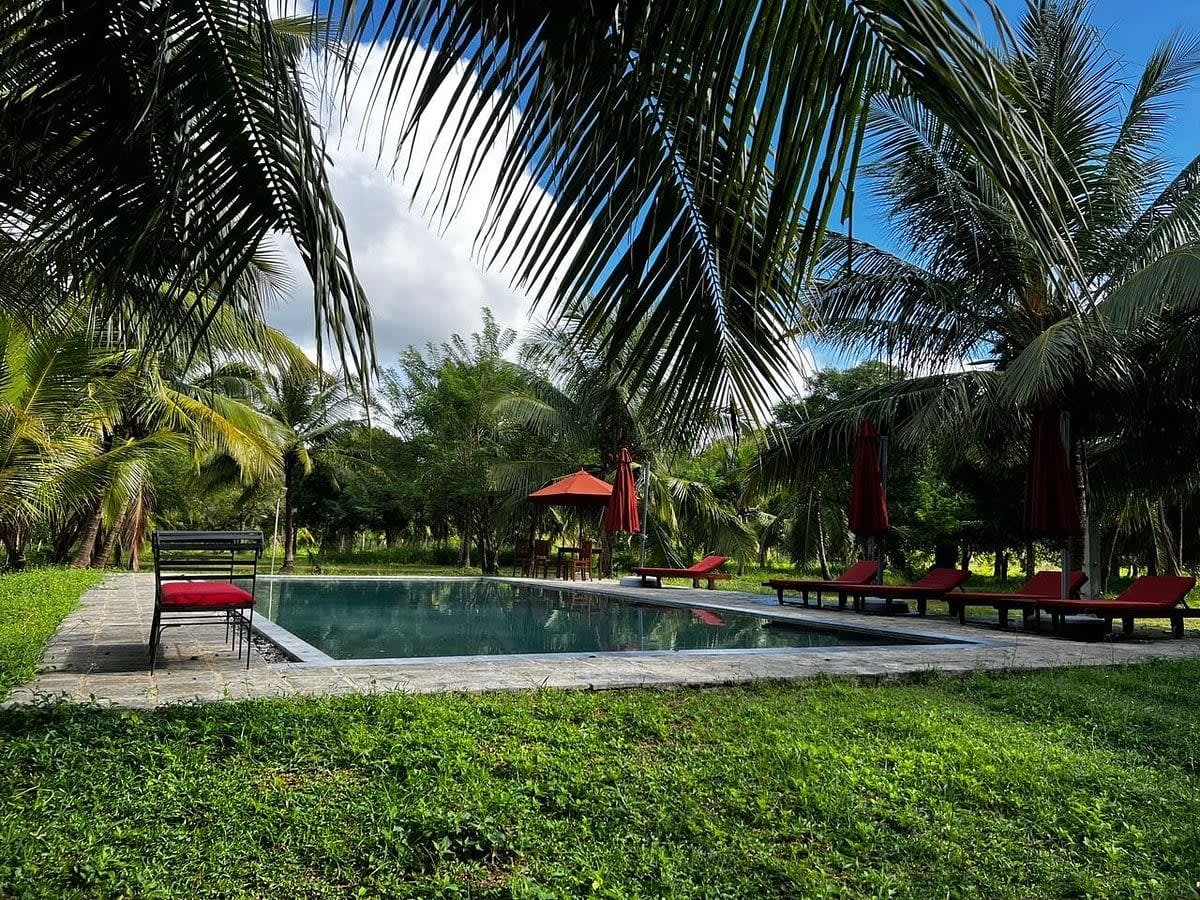
Outdoor swimming pool nestled under tropical forest canopy at Governor's Camp Wilpattu
Field Notes & Key Takeaways
- Optimal leopard spotting windows are 06:00–08:30 AM and 16:00–18:00 PM around natural villus.
- The western Eluwankulama entrance offers dramatically lower vehicle traffic than the eastern gate.
- Binoculars (8x42 or 10x42) and telephoto lenses (300mm–600mm) are essential for wildlife photography.
- Governor's Camp provides luxury tented living, riverfront dining on Raalmadu Oya, and a full swimming pool for post-safari leisure.
Frequently Asked Questions
What is the best time of year to see leopards in Wilpattu?
While Wilpattu offers year-round leopard sightings, February to October is exceptionally rewarding as water levels in the villus recede, concentrating wildlife around fewer drinking basins.
Does Governor's Camp Wilpattu have a swimming pool?
Yes. Governor's Camp Wilpattu features a beautifully landscaped outdoor swimming pool nestled amidst the jungle, providing guests with luxurious post-safari relaxation.
Which entrance gate does Governor's Camp Wilpattu use?
Governor's Camp is located just 7 minutes from the Eluwankulama western park gate, offering guests expedited entry and virtually no vehicle queues compared to the eastern gate.
Tailored Wilderness Sanctuary
Experience Governor's Camp Wilpattu
Immerse yourself in authentic luxury, private game drives with master naturalists, and handcrafted hospitality.
Continue Reading
View All Journal Stories
A Culinary Journey: The Spices and Flavours of Sri Lanka
Sri Lankan cuisine is a vibrant, aromatic tapestry woven from cinnamon, roasted spices, creamy coconut milk, and sea-fresh bounty. Discover how Governor's Collection curates an authentic epicurean journey in the wild.
4 min read
Gentle Giants of the Reservoir: Asian Elephant Safaris in Udawalawe
Udawalawe National Park is renowned as one of the best locations in the world to observe wild Asian elephants in their natural habitat. Experience elephant families grazing against the backdrop of majestic mountain ranges.
5 min read